Studio vs In-the-Wild Audio: Which Is Better for Training Speech Models?
Studio audio is cleaner, but in-the-wild audio teaches models to handle the real world. Here is how to balance both in your training set.
What counts as studio audio
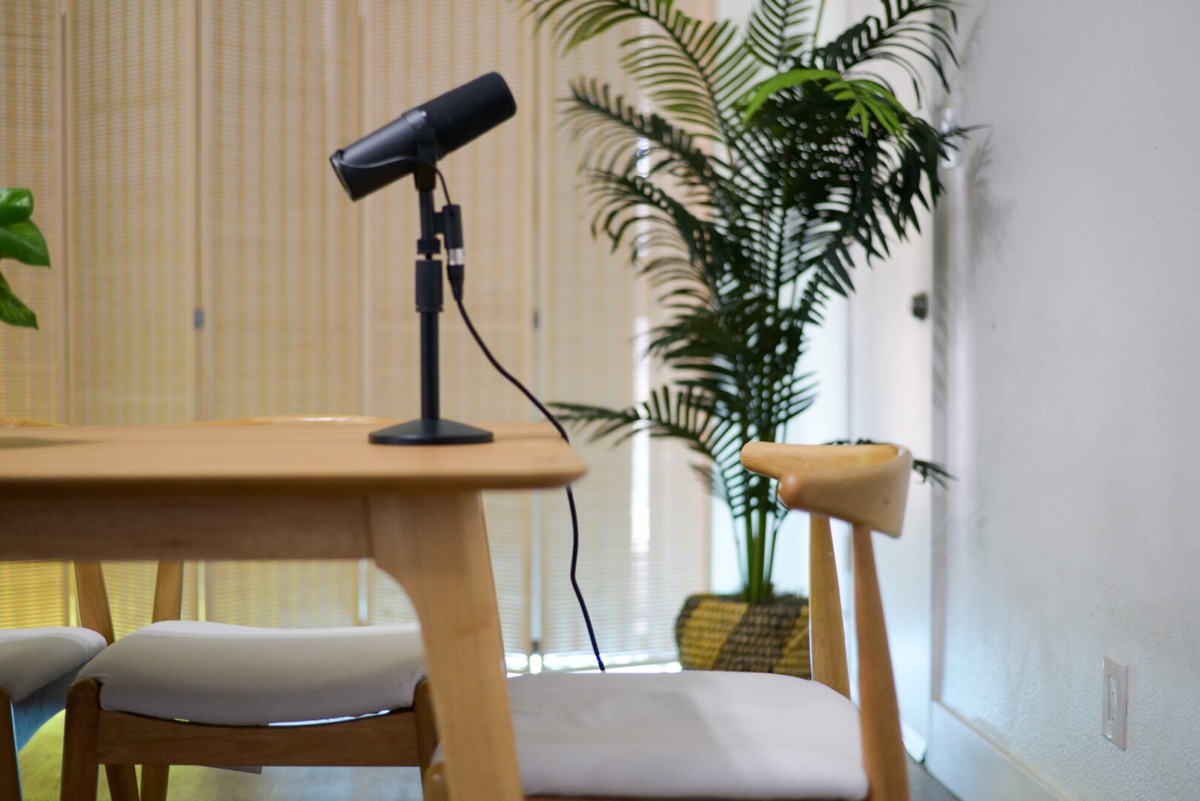
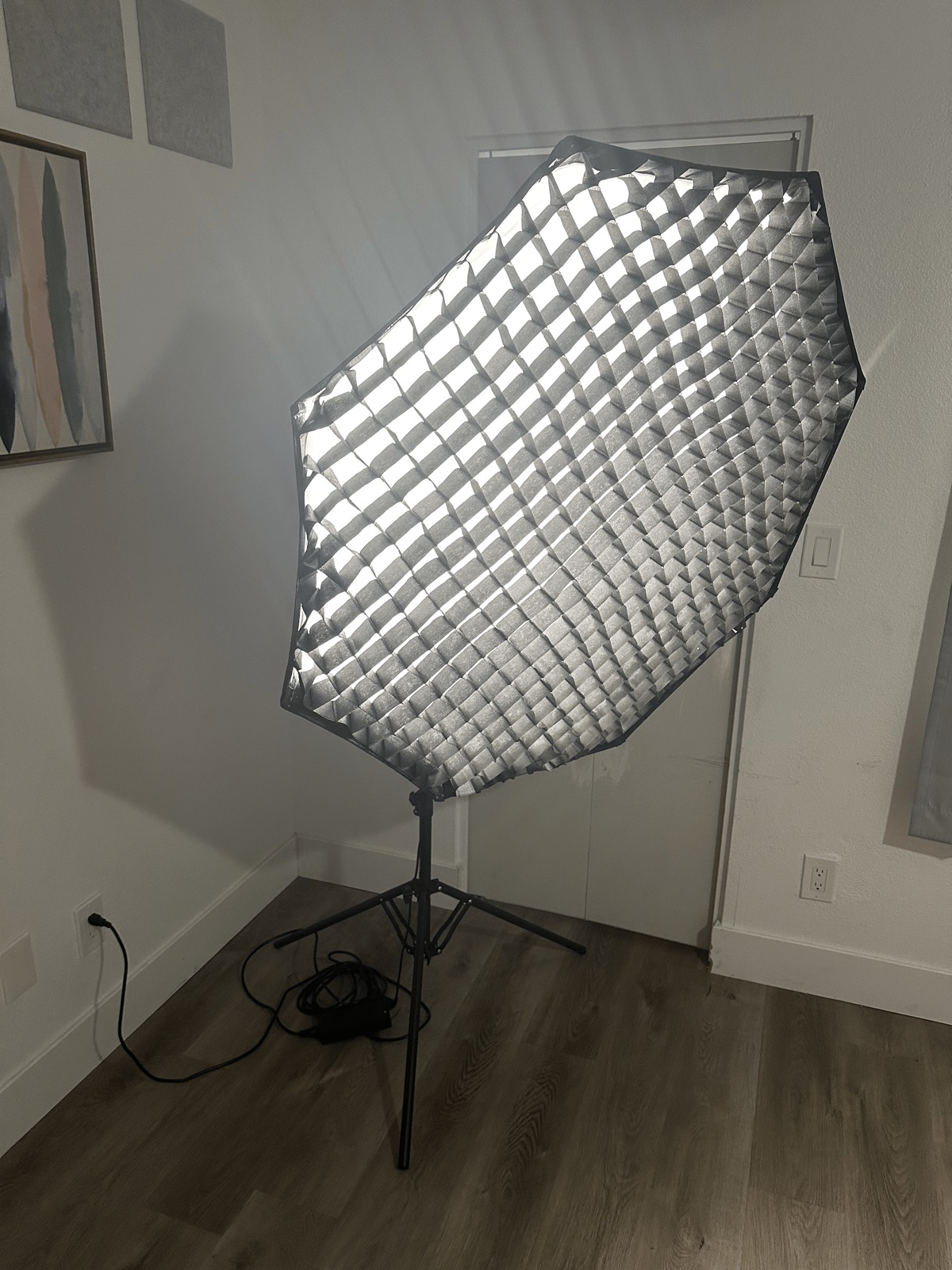
Studio audio in the speech-data sense does not require a million-dollar facility. It means a controlled environment with low background noise, minimal reverb, and a consistent microphone position. A treated home studio with a good large-diaphragm condenser, a pop filter, and a quiet HVAC system qualifies. The signature of studio audio is a high signal-to-noise ratio, usually north of 35 dB, and a clean spectral profile without the comb-filter artifacts that rooms introduce. Models trained primarily on studio audio learn the cleanest possible mapping between sound and language, which makes them excellent at the easy cases and sometimes brittle at the hard ones.
What in-the-wild audio gives you
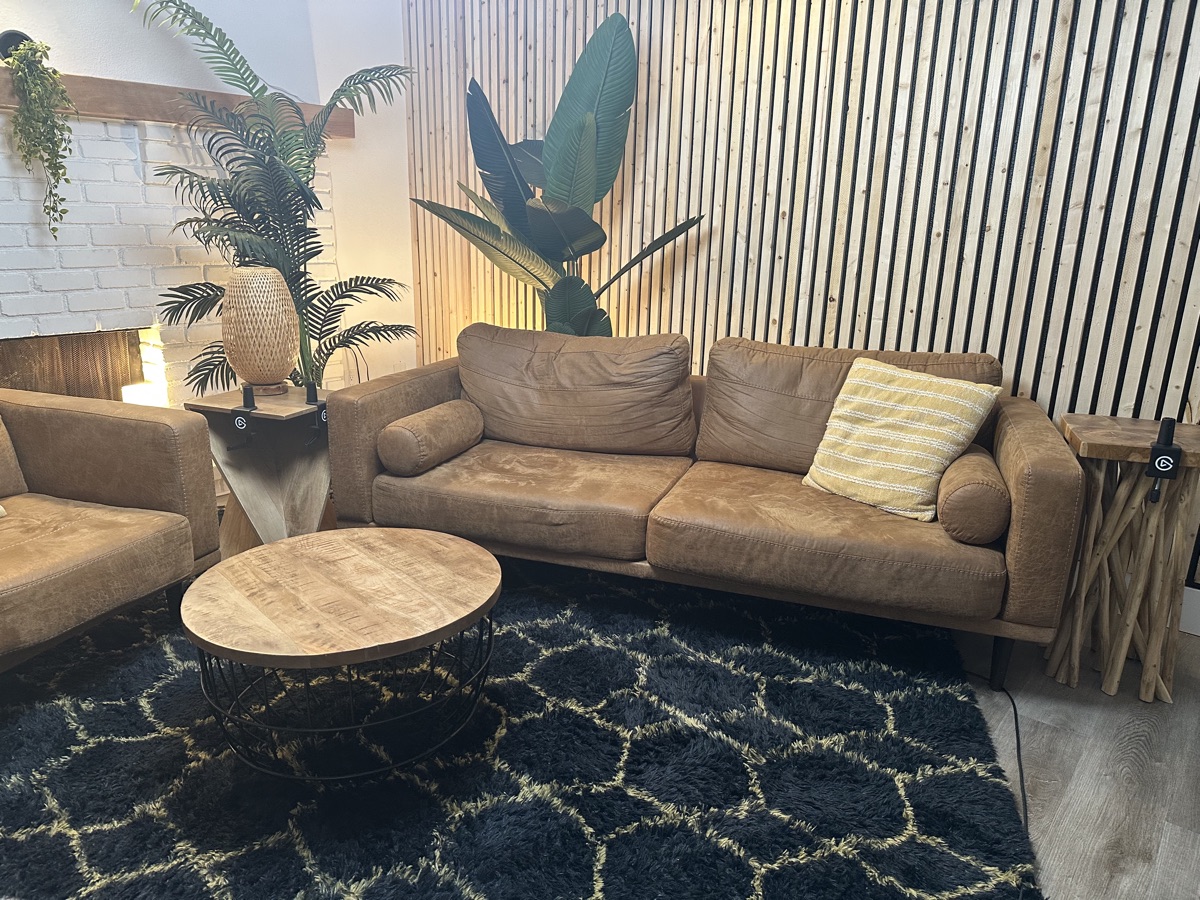
In-the-wild audio is everything else. A podcast recorded in a hotel room, a street interview, a Zoom call, a phone in a moving car. It carries the things real listeners and real microphones encounter every day, including HVAC hum, distant traffic, plates clinking, a dog, a second talker in the next room. For a speech model, this is gold, because robustness to those exact conditions is the difference between a demo that works and a product that ships. In-the-wild data also tends to bring more spontaneous speech patterns, which helps models generalize beyond the careful diction of a read-aloud script.
How the mix changes by use case
A voice assistant designed for kitchens and cars should see at least half its training audio from comparable environments. A medical dictation tool that will only ever run in a quiet exam room can lean heavily on studio data. A podcast-transcription product is interesting because the source audio is itself studio-grade in many cases, which means a studio-heavy dataset is appropriate, with a smaller fraction of field recordings to handle remote interviews. The principle is simple: the closer your training distribution is to your inference distribution, the better your model will perform without fancy tricks.
Augmentation as the bridge
Augmentation lets you stretch a clean dataset toward the wild without re-recording everything. You can add pink noise, traffic loops, room impulse responses, and codec artifacts to studio audio and recover much of the robustness benefit of true field recordings. The catch is that synthetic noise is not quite the same as real noise. A model that has only seen augmented studio audio can still struggle in genuinely chaotic environments, because real acoustic scenes carry correlations that simple augmentation does not reproduce. A blended approach, where augmented studio audio sits alongside a smaller core of real field recordings, tends to outperform either extreme.
Buying both at the same time
Most teams cannot record their own dataset at the scale modern speech models need. Buying licensed audio from a provider that supplies both studio and field recordings, with provenance metadata and consent, is faster and usually cheaper than running your own recording sessions. The key questions to ask are how the field recordings were captured, whether the speakers consented to AI-training use, and whether the studio recordings come from real productions like podcasts or from staged read-alouds. Real productions tend to carry more natural prosody, which is a quiet but real advantage when you fine-tune.

Frequently asked questions
Is studio-only training a mistake?
Not always. If your model only needs to work in one controlled environment, studio-only is fine and often optimal. It becomes a mistake when you assume the deployment environment will match the training environment and it does not.
How much in-the-wild data do I need?
A good starting point is 20 to 40 percent for a general-purpose model, more if your product targets noisy environments. Adjust based on validation results in conditions that match real use.
Does noise augmentation replace real field recordings?
Partly. Noise augmentation helps a lot, especially for stationary noise like fans and traffic. It does less for non-stationary events like overlapping speakers or sudden impacts.
What signal-to-noise ratio should I aim for in studio audio?
Above 35 dB is solid. Above 45 dB is excellent. Below 25 dB starts to feel like field audio whether you intended it that way or not.
Can the same speakers appear in both studio and field recordings?
Yes, and it can be useful for the model to learn that a voice is the same voice across environments. Just be sure your splits keep speakers from leaking between train and test.
Looking to license speech data?
Studio-grade conversational audio with aligned transcripts, full speaker metadata, and a documented chain of consent for every file. Get a sample after a quick scoping call.
Request a sample →