TTS Dataset Requirements: What Makes Voice Synthesis Data Train Well
TTS dataset requirements explained: speakers, recording quality, phonetic balance, scripts, and metadata. Build or buy a corpus that synthesizes well.

Recording quality is the floor, not the ceiling
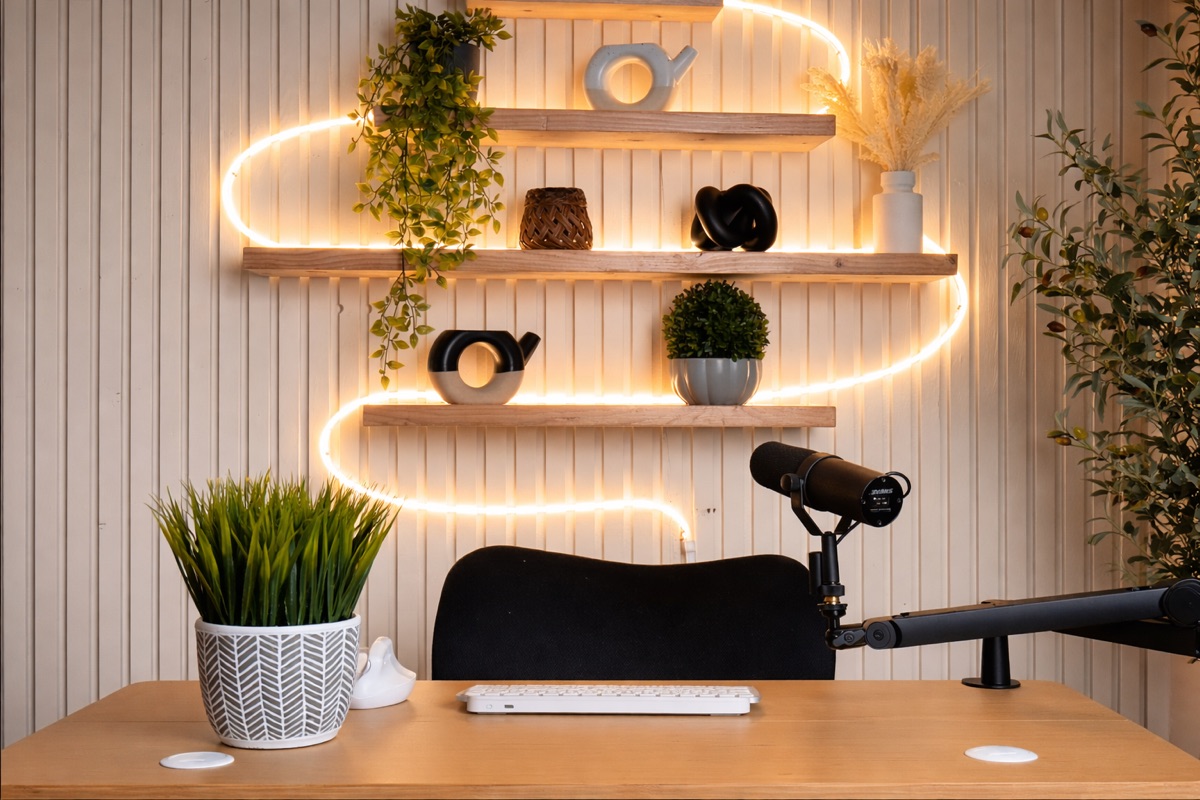
A TTS model can only sound as good as the cleanest audio in its training set. Noise, room reverb, microphone color, and clipping all show up in the synthesized output. The first requirement of a TTS dataset is studio-grade recording: a treated room, a high-quality cardioid microphone, careful gain staging, and consistent setup across all sessions.
Phonetic balance and script design
A TTS dataset must cover the phonetic inventory of the target language. Every phoneme should appear hundreds of times in varied contexts. Diphones — pairs of adjacent phonemes — should be covered as completely as possible. This is why TTS scripts are not random sentences but carefully designed corpora that maximize phonetic coverage in the smallest possible recording time.

Speaker selection and consistency
Most TTS models are trained on a single speaker per voice, sometimes with a small number of additional speakers for transfer learning. Speaker selection matters. The chosen speaker should have a clear voice, consistent pacing, and stable emotional range across sessions. Vocal fry, harsh sibilance, mouth noises, and inconsistent volume all show up in synthesis.
Transcripts, alignment, and metadata
TTS transcripts must be exactly accurate. Unlike ASR, where a small label error rate is tolerable, TTS treats every label as ground truth. A wrong word in the transcript becomes a wrong sound in the synthesizer. Plan for two-pass human transcription with adjudication, and budget for it. The cost is small relative to the recording cost but the impact on quality is large.
Evaluating a TTS dataset before training
Run three checks before you commit to training. First, listen to a representative sample. The voice should be appealing, the recordings should be uniform, and the noise floor should be inaudible. Second, validate the transcripts and alignments on a 100-utterance sample. Third, train a small TTS model on a fraction of the data and listen to its output. If the small model already sounds promising, the full corpus will train well. If the small model sounds off, the corpus has problems no amount of compute will fix.
Frequently asked questions
How many hours of audio do I need to train a TTS voice?
Modern neural TTS systems typically need 5 to 25 hours of clean audio per voice. Smaller amounts work for fine-tuning a pretrained voice; larger amounts give better expressive range and edge-case handling.
What sample rate should TTS training data be?
Most production TTS systems train at 22.05 kHz, 24 kHz, or 48 kHz. Recording at 48 kHz and downsampling preserves headroom and is the standard for new corpora.
Does TTS training data need phonetic balance?
Yes. Phonetic balance ensures that every phoneme is represented in varied contexts. A balanced 10-hour corpus typically outperforms an unbalanced 50-hour corpus for TTS training.
Can podcast audio be used as TTS training data?
Single-speaker monologue podcasts recorded in treated environments can work. Multi-speaker podcasts and interview audio are usually better suited to ASR or conversational training than to TTS.
Is voice cloning consent legally required?
In an increasing number of jurisdictions, yes. Right of publicity laws and the EU AI Act impose explicit consent requirements for voice cloning. AIPodcast collects synthesis-specific consent for any voice cloning use.
Looking to license speech data?
Studio-grade conversational audio with aligned transcripts, full speaker metadata, and a documented chain of consent for every file. Get a sample after a quick scoping call.
Request a sample →