Why Podcast Audio Is Ideal for AI Training Datasets
Podcast audio combines studio quality with natural conversation. Here is why it has become a favorite source for speech model training.
The recording quality is already there
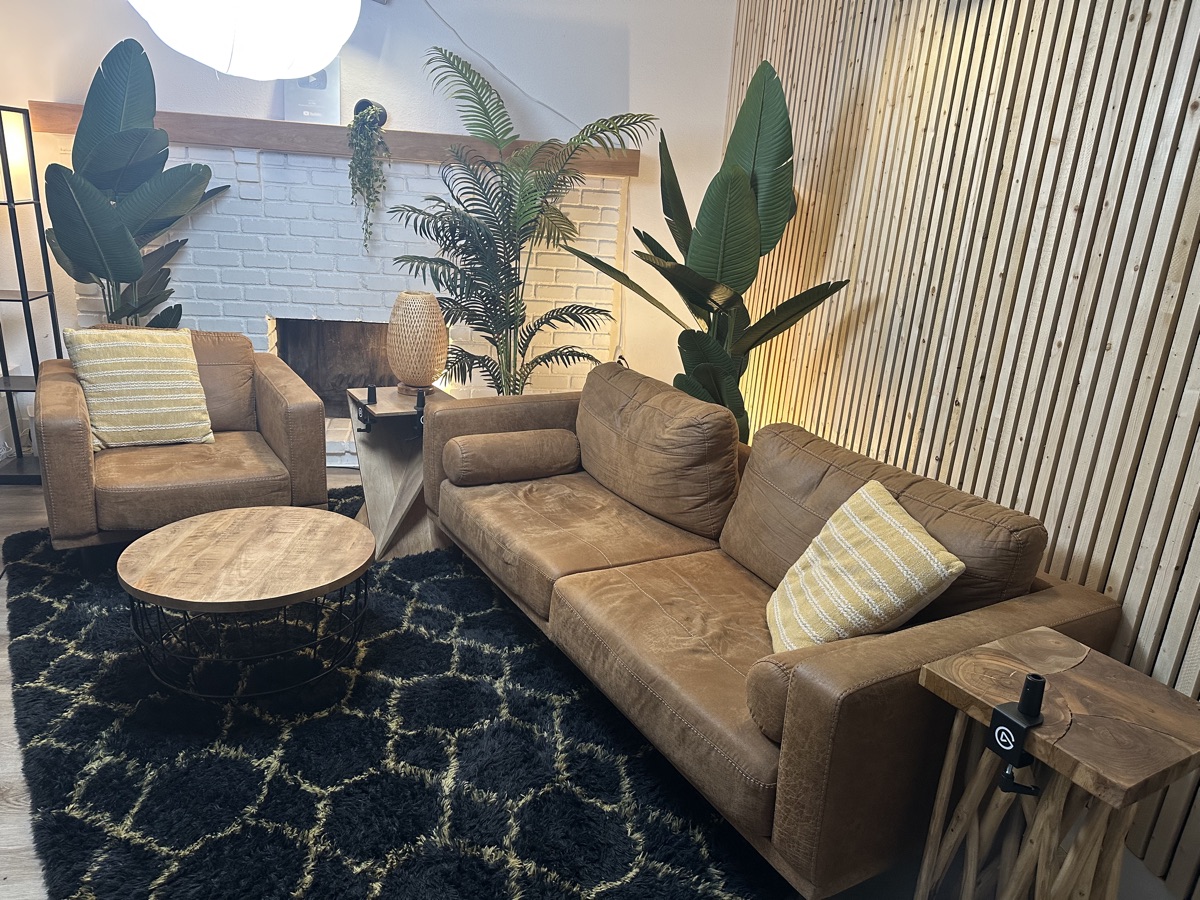
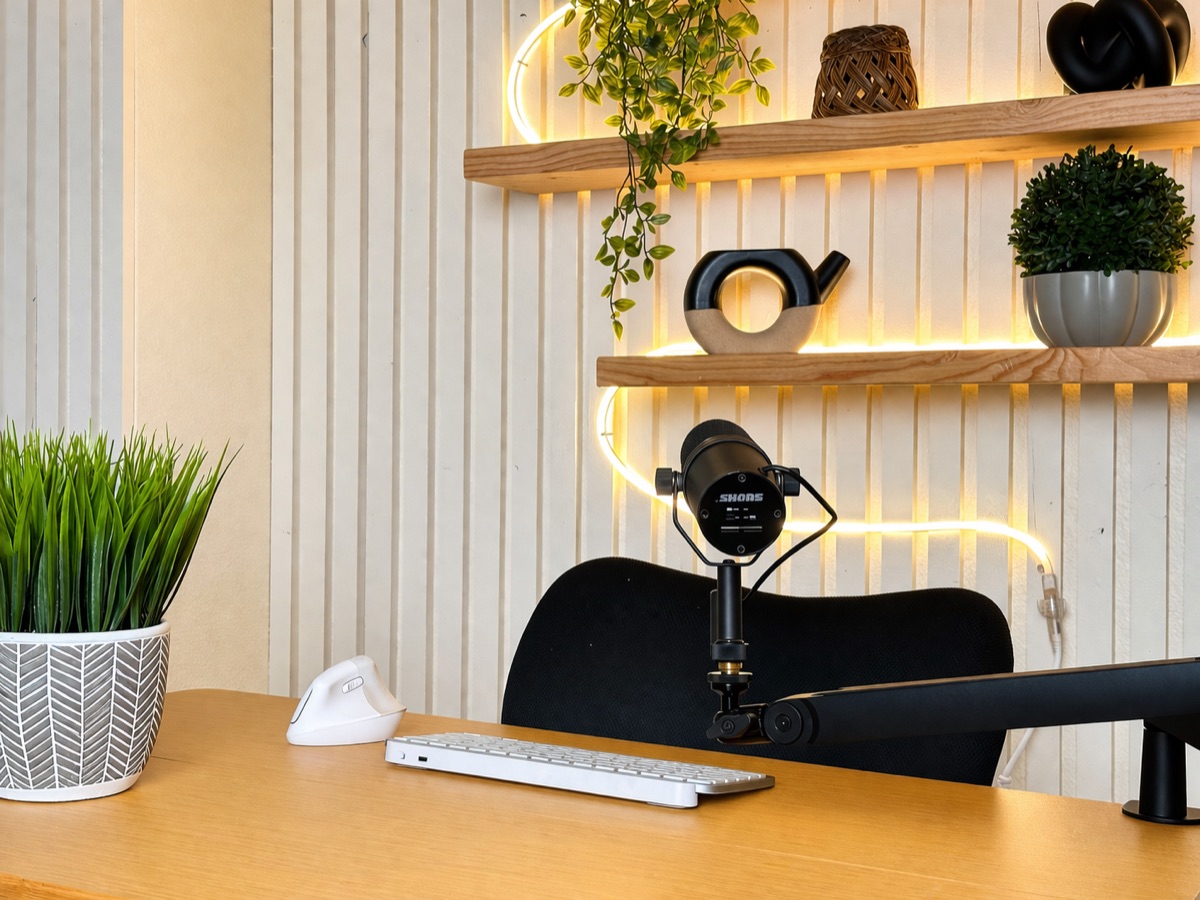
Most serious podcasts are recorded with dedicated microphones in treated or semi-treated spaces. The signal-to-noise ratio is generally excellent, the dynamic range is reasonable, and the spectral profile is consistent enough that models do not have to spend capacity learning around equipment quirks. Compared to YouTube vlogs, conference recordings, or scraped video, podcast audio gives you a much higher floor of usable material per hour. That alone saves enormous amounts of cleaning work downstream.
The speech is conversational, not read
Audiobooks are the other obvious source of clean speech, and they have their place. But audiobook narrators read. They use a particular cadence, a particular set of intonation patterns, and a vocabulary chosen by an editor. Podcast guests interrupt each other. They restart sentences. They laugh, they pause, they say um. For a model that will eventually transcribe meetings or power a voice assistant, that natural, slightly messy speech is exactly what it needs to see in training. A model fed only on audiobooks tends to struggle with the disfluencies of real conversation.
The topical diversity is enormous
There are podcasts about quantum physics, podcasts about beekeeping, podcasts about regional cooking, podcasts about obscure medieval history. That breadth translates directly into vocabulary coverage. A model trained on a varied podcast dataset sees technical terms, slang, proper names, foreign loanwords, and acronyms in their natural context. Domain-specific applications like medical or legal transcription still need targeted data on top, but a podcast base set carries you a long way before specialization.

The speaker diversity scales
Major podcast networks together host tens of thousands of distinct voices across ages, accents, and speaking styles. A licensed podcast dataset can cover that diversity at a scale that would take years and millions of dollars to record from scratch. Speaker diversity is one of the strongest predictors of how well a speech model generalizes, so this is not a vanity feature. It is a load-bearing one.
The licensing path is real
The catch with podcast audio for AI training is licensing. A podcast being publicly available does not mean it is licensed for model training. Buying audio through a provider that holds explicit, written rights from the show owners is the only safe path. That is exactly what we do here, and it is the reason so many AI data buyers come to networks like ours rather than scraping. Clean rights, clean metadata, clean audio, all in one place.
Frequently asked questions
How does podcast audio compare to call-center recordings?
Call-center audio is great for specific use cases like phone-based assistants because it carries the right channel characteristics. Podcast audio is better for general-purpose speech understanding because the quality is higher and the topical diversity is much broader.
Can I use any podcast I find online?
No. Public availability is not a license. You need explicit written rights from the rights holder to use a podcast in AI training, which is why licensed marketplaces exist.
Do podcasters consent to AI training?
On platforms that work with us, yes. Each show owner signs an agreement that explicitly authorizes the inclusion of their audio in AI training datasets.
Is the conversational style actually different from audiobooks in a measurable way?
Yes. Disfluency rate, turn length distribution, and prosody all differ significantly, and models trained on one struggle on the other in measurable ways.
How many hours of podcast audio do I need to make a difference?
Even a few hundred hours added to a base dataset can shift performance on conversational benchmarks. Tens of thousands of hours start to move the needle on accent and topic coverage.
Looking to license speech data?
Studio-grade conversational audio with aligned transcripts, full speaker metadata, and a documented chain of consent for every file. Get a sample after a quick scoping call.
Request a sample →