Collecting Voice Training Data: A Practical Guide for AI Teams
How to collect voice training data for AI: planning, recording, consent, transcription, and quality control. Start small, scale right.
Plan the corpus before you record anything
The single biggest predictor of a successful voice data collection project is how much planning happened before the first microphone was switched on. Write down the target use case, the speakers you need, the acoustic conditions you need, and the metric you want to move. If you cannot describe the test set the dataset is supposed to improve, you are not ready to record.
Get consent right the first time
Consent is the part of voice data collection that quietly destroys datasets months later when someone notices the paperwork is wrong. The consent form should be plain language. It should explain what kinds of AI models the audio will train, how long the recording will be retained, whether the speaker can withdraw, and how identifying information will be handled.

Record consistently or pay for it later
The recording stage is where most homemade voice datasets fall apart. Inconsistent microphones, inconsistent rooms, inconsistent settings — every variation introduces a confound that the model has to learn around. The fix is a written recording protocol that every session follows.
Transcription, alignment, and quality control
Once the audio is in, transcription and alignment turn it into training data. There are three levels of quality. Machine transcription with no human review is fast and cheap but introduces label noise that limits model accuracy. Single-pass human transcription is the standard for most production datasets. Two-pass human transcription with adjudication is the highest quality and is required for training-data-grade ASR.
When to do it yourself and when to license instead
Collecting voice training data yourself makes sense in three situations: you need a domain so specific that no vendor can supply it, you need internal speakers under controlled conditions, or you have continuous access to user audio with consent. Otherwise, licensing existing data is almost always faster and cheaper than collecting from scratch.
Frequently asked questions
How long does it take to collect voice training data from scratch?
A 200-hour conversational corpus typically takes three to six months when collected in-house: weeks for recruiting and consent, weeks for recording, and weeks for transcription and quality control. Licensing the same audio takes two to four weeks.
Do I need a recording studio to collect voice training data?
Not necessarily. A treated room with consistent microphones works for most projects. The bigger requirement is consistency — the same gear, gain, and protocol across every session — so the dataset is acoustically coherent.
What microphones are best for voice data collection?
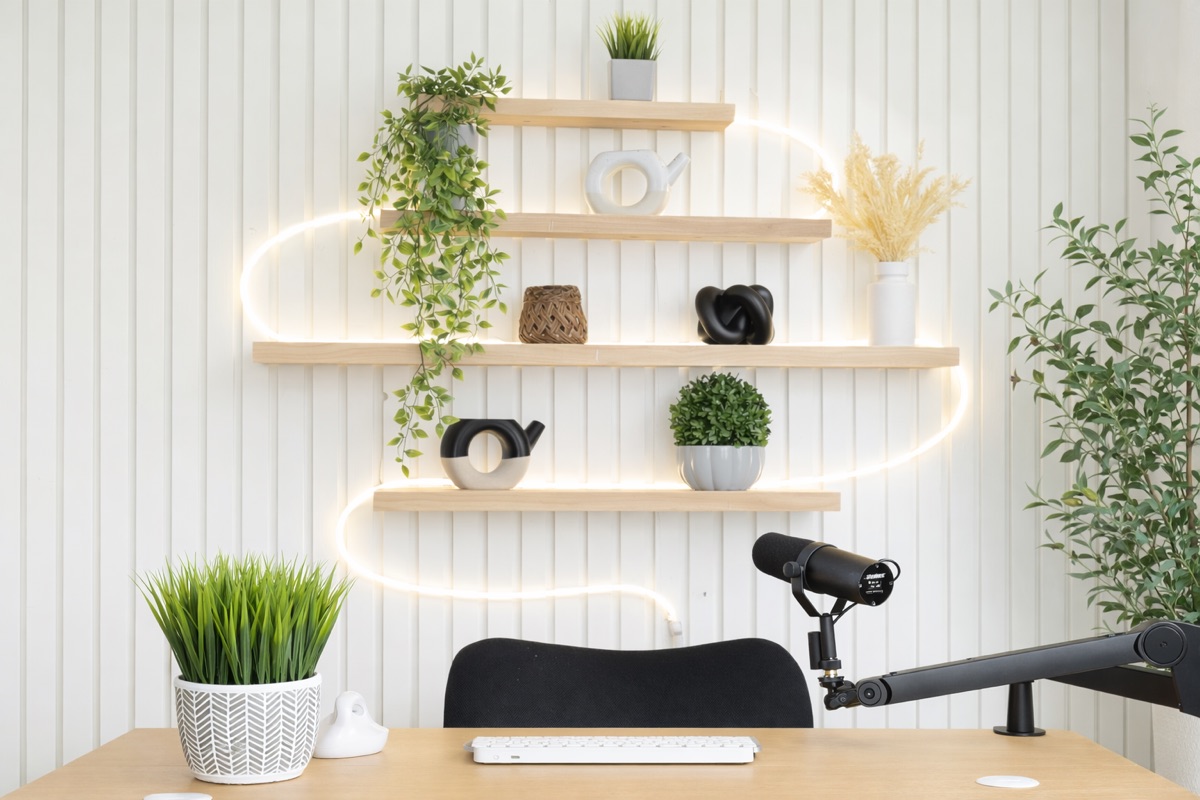
Shure SM7B and similar broadcast cardioid dynamics are the most common workhorses for conversational data collection. They tolerate room imperfections and produce broadcast-quality audio when set up correctly.
How do I store consent forms for a voice training dataset?
Store signed consent forms in a secure system with a stable mapping to speaker IDs in your manifest. Every audio file should be traceable back to a consent record, so deletion requests can be honored quickly.
Is it cheaper to collect voice training data myself or license it?
For most teams, licensing is cheaper and faster. In-house collection makes sense for highly specific domains, internal-only data, or product use cases where the speakers are your own users with consent.
Looking to license speech data?
Studio-grade conversational audio with aligned transcripts, full speaker metadata, and a documented chain of consent for every file. Get a sample after a quick scoping call.
Request a sample →